Real estate brokerages invest in agent development to improve performance, strengthen their market presence, and help their teams build sustainable businesses. Yet even experienced agents can struggle to communicate what makes them distinctive in a crowded market. Effective real estate brokerage training can help bridge that gap by giving professionals a clearer approach to personal branding, content creation, and relationship development.
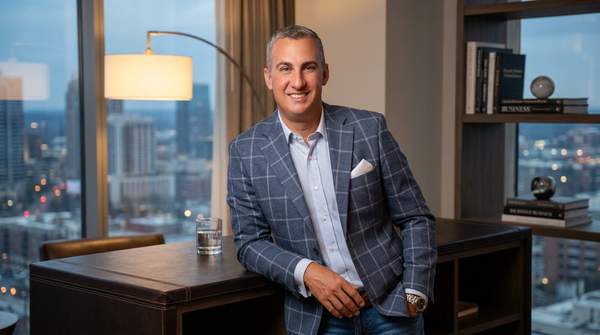
Justin Bruce, a real estate entrepreneur, keynote speaker, and host of Living The Dream, focuses on these interconnected areas. Through his speaking engagements and workshops, he helps agents and teams explore how media, storytelling, and strategic relationships can support business development.
For brokerage leaders evaluating professional development opportunities, personal branding offers a practical starting point for helping agents communicate their value and become more recognizable to the clients and partners they want to reach.
Why Personal Branding Matters in Real Estate
Real estate is a relationship-driven business, but relationships often begin before a prospect contacts an agent. Potential clients may discover professionals through social media, online searches, community involvement, referrals, or shared professional connections.
When several agents appear to offer similar services, a recognizable personal brand can help people understand whom they are considering and what that professional represents.
Personal branding is not simply a logo, color palette, or memorable slogan. It includes an agent's expertise, communication style, professional values, market knowledge, and the experience people associate with working with them.
A residential agent specializing in first-time buyers, for example, might build a brand around clear explanations, approachable guidance, and practical education. An agent working with luxury properties may focus on market knowledge, presentation, and a detailed understanding of client expectations.
The objective is to communicate a consistent, credible identity rather than attempting to appeal to everyone.
Brokerage training can help agents identify that identity, articulate it clearly, and express it consistently across their professional channels.
Help Agents Define What Makes Them Distinctive
Many agents know their markets well but find it difficult to explain their individual value. They may rely on familiar phrases about customer service, local expertise, or dedication without giving prospective clients a clear reason to remember them.
Training can help agents move from broad descriptions to more specific positioning.
A useful process begins with questions about the agent's strengths, experience, preferred clientele, local knowledge, and approach to solving client problems. From there, agents can identify recurring themes that distinguish their professional identity.
For instance, an agent might be particularly effective at explaining complex buying decisions to first-time homeowners. Another may have strong knowledge of a particular neighborhood or enjoy creating educational resources for relocating families.
These strengths can inform content topics, professional introductions, and the way agents communicate with referral partners.
Consistency is important, but personal branding should not make every agent sound identical. A brokerage can establish quality standards while allowing individual professionals to develop an authentic voice.
Connect Personal Branding With a Practical Content Strategy
A recognizable brand needs regular opportunities to demonstrate its value. Content gives agents a way to share useful information, answer common questions, and maintain visibility between transactions.
However, posting frequently without a clear purpose can become time-consuming. Agents may publish generic market updates or promotional messages without considering what their intended audience actually needs.
A structured content strategy starts with the questions clients ask throughout the real estate process.
An agent working with first-time buyers might explain mortgage preapproval, offer preparation, inspections, or common transaction milestones. A neighborhood specialist could share local amenities, community developments, or practical considerations for people moving into the area.
Content can take different forms, including short videos, written explanations, interviews, market commentary, and community features. The best format depends on the subject, the audience, and the agent's ability to produce it consistently.
Brokerage training should help participants develop a manageable approach rather than simply encouraging them to publish more.
Justin Bruce addresses content strategy and social media in his speaking topics, with an emphasis on using media to strengthen visibility and business relationships. His From Content to Clients workshop is particularly relevant to teams seeking a more deliberate connection between content activity and business development.
Turn Visibility Into Professional Relationships
Audience attention alone does not necessarily create business value. A person may watch a video, read a post, or recognize an agent's name without being ready to initiate a conversation.
A more useful strategy considers what happens after someone encounters the content.
Agents can invite questions, respond thoughtfully to comments, follow up on relevant conversations, and maintain contact with professional connections. These activities create opportunities to develop familiarity and trust over time.
For example, an agent who publishes an educational video about preparing a home for sale might use the responses to identify common concerns. Those questions can inform future content and create opportunities for useful conversations with homeowners or professional partners.
The emphasis should remain on relevance and genuine communication. Repeated unsolicited messages or aggressive sales pitches can undermine the credibility that content is intended to build.
Justin Bruce's Media Is the New Networking keynote explores the relationship between storytelling, visibility, partnerships, and referrals. This perspective can help brokerage teams consider media as part of their broader relationship-building strategy rather than treating social media as an isolated marketing task.
Give Brokerage Leaders a Repeatable Training Framework
Personal branding training is most useful when it supports consistent development across the team.
Brokerage leaders can begin by identifying the capabilities agents need to strengthen. These might include clarifying their professional positioning, planning content, communicating market knowledge, or following up on business relationships.
The training can then translate those priorities into practical exercises.
Participants might draft a concise professional introduction, identify recurring client questions, develop a short list of content themes, or create a weekly publishing plan. Group discussions can also help agents exchange ideas while maintaining their individual identities.
Managers should establish realistic expectations for implementation. Agents have different experience levels, schedules, and comfort with public communication. A sustainable process is more useful than a demanding content schedule that participants cannot maintain.
Follow-up matters as well. Brokerage leaders can schedule review sessions, discuss lessons learned, and encourage agents to refine their approach based on audience responses and business needs.
The aim is to integrate the training into everyday professional practice rather than treating it as a one-time event.
Choose a Training Format That Fits Your Team
The appropriate format depends on the brokerage's goals and the depth of instruction required.
A keynote can introduce a shared concept and encourage agents to reconsider how they approach branding and media. A longer workshop provides additional time for exercises, discussion, and practical planning. A leadership intensive may be suitable when senior staff want to examine broader business-development priorities.
Justin Bruce offers keynote presentations, workshops, and half-day leadership intensives. His published formats include 45- to 60-minute keynotes and 60- to 120-minute workshops, allowing organizations to consider different levels of engagement.
When assessing a programme, ask what participants will cover, how the content relates to their roles, and what they should be prepared to implement afterward.
Training should be relevant to the team's current capabilities and business priorities. No format can guarantee a particular increase in transactions, leads, or revenue, but well-designed development can give agents a clearer process for improving their professional communication.
Invest in Your Team's Long-Term Market Presence
Personal branding is an ongoing business practice, not a short-term promotional campaign. Agents need to communicate consistently, share relevant expertise, and nurture relationships throughout the business cycle.
For brokerage leaders, investing in this capability can help create a more deliberate approach to visibility and professional development across the team.
Justin Bruce's speaking and training offerings focus on media-driven business development, personal branding, content strategy, and relationship-building. These subjects make his programmes relevant to organizations looking to give agents a more structured way to communicate their value and build professional connections.
If your brokerage is exploring its next training session, visit Justin Bruce's official website to review his keynote topics and workshop options. Submit an inquiry to discuss your team's objectives, preferred format, availability, and budget.
The right training programme should leave agents with more than new ideas. It should help them understand how to apply those ideas consistently in the markets and relationships that shape their businesses.